Tag: custom fabrication fasteners

  • 10 Best Unequal Thread Length Studs To Buy

    By Nicolás Longo
    (As an Amazon Associate we earn from qualifying purchases)

    Discovering the Unique Advantages of Unequal Thread Length Studs in Modern Assemblies

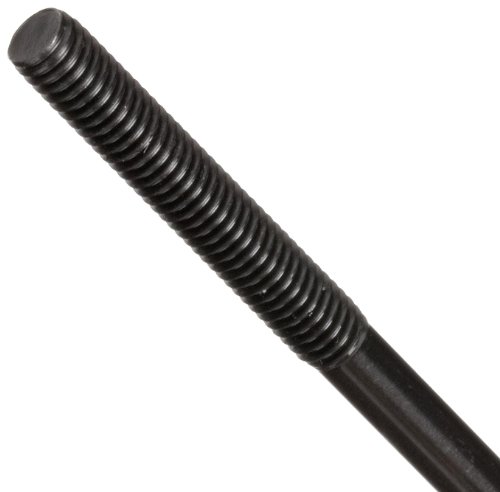
    Unequal Thread Length Studs are a specialized type of fastener designed with differing thread lengths on each end, making them ideal for applications that require distinct engagement properties on either side of the stud. Unlike traditional studs with uniform or single-ended threading, Unequal Thread Length Studs offer a tailored approach to joining components. Their design allows for one end to engage deeply with a tapped hole while the other provides an exposed thread for bolt attachment or additional reinforcement. This versatile configuration is prized in industries such as automotive, aerospace, and heavy machinery, where precise load distribution and reliable retention are critical. Research from reputable sources like ThomasNet and GlobalSpec indicates that fasteners engineered with variable thread lengths can significantly improve the efficiency and safety of complex assemblies.

    Manufactured from high-quality materials including alloy and stainless steel, Unequal Thread Length Studs are engineered to withstand extreme loads, high vibrations, and harsh environmental conditions. Their unique design requires precision machining, ensuring that one end offers deep thread engagement for maximum hold, while the other is optimized for easy nut installation or surface fastening. This dual functionality minimizes the risk of over-tightening and thread stripping, issues that can occur with conventional fasteners. The careful calibration of these studs not only increases their mechanical strength but also reduces the potential for misalignment during installation—a common challenge in high-stress applications.

    In many fabrication environments, the need for fasteners that deliver both reliability and ease of maintenance has driven the adoption of Unequal Thread Length Studs. They are especially useful in situations where one side of an assembly must be permanently fixed, while the other remains accessible for adjustments or additional assembly components. For example, in automotive repair, Unequal Thread Length Studs allow technicians to secure a panel firmly on one side while providing a protruding thread for later mounting of accessories or reinforcements. This flexibility has led to their increased usage in custom fabrication and retrofit projects, where every millimeter of thread engagement counts for overall system performance.

    A fascinating aspect of Unequal Thread Length Studs is their measurement method. While fully threaded studs are typically measured end-to-end, unequal studs require more precise evaluation. Engineers often measure from the very tip of the longer threaded end to the end of the shorter threaded section, ensuring that the stud fits its intended application perfectly. This “unequal” approach may initially seem complex, but it guarantees that each fastener performs exactly as required—whether it’s for tensioning in load-bearing assemblies or providing an adjustable fastening point in modular designs. As explained in industry guides such as those from Würth Industry USA, proper measurement techniques are essential to avoid sizing errors that could compromise the entire assembly.

    • Key Advantages of Unequal Thread Length Studs:
      • Tailored Engagement: Differing thread lengths optimize hold and accessibility.
      • Enhanced Load Distribution: Provides secure fastening while minimizing stress concentrations.
      • Versatile Applications: Ideal for automotive, aerospace, heavy machinery, and custom fabrication projects.
      • Reduced Installation Errors: Precision design minimizes the risk of misalignment and thread stripping.
      • Ease of Maintenance: Exposed thread sections allow for quick adjustments and future replacements.

    Unequal Thread Length Studs are especially beneficial in assemblies where space constraints and design flexibility are critical. Their unique design allows one end to be recessed within a structural component while the other extends outward to serve as an attachment point. This configuration is invaluable in applications like flange bolting, where a precise clamping force is needed without interfering with the overall assembly aesthetics. The design also minimizes the risk of fastener fatigue, which can occur when using uniformly threaded studs in high-cycle load environments. Field studies have demonstrated that structures incorporating Unequal Thread Length Studs experience fewer instances of loosening under dynamic loads, thus enhancing overall structural integrity.

    In addition to their mechanical benefits, Unequal Thread Length Studs contribute significantly to the aesthetics of finished products. Their design, which allows for a flush appearance on one side and an accessible thread on the other, is particularly advantageous in consumer-facing products and high-end machinery. Manufacturers report that using these studs not only improves performance but also elevates the visual quality of the assembly—an important consideration in industries such as automotive design and custom fabrication.

    Technological advances in manufacturing have also refined the production of Unequal Thread Length Studs. Modern CNC machining and laser cutting techniques enable manufacturers to achieve precise tolerances and consistent thread profiles. These advancements ensure that every stud meets stringent quality standards and performs reliably across a wide range of applications. Moreover, the ability to produce custom lengths and thread configurations allows designers to tailor fasteners to very specific project needs. This level of customization is particularly valuable in prototype development and one-off fabrication projects, where standard fasteners might not meet the required specifications.

    Recent market trends indicate a growing demand for specialized fasteners like Unequal Thread Length Studs. As the complexity of industrial assemblies increases, so does the need for fasteners that offer both performance and flexibility. Reports from GlobalSpec suggest that the adoption of advanced fastening solutions has led to measurable improvements in production efficiency and overall safety in manufacturing environments. The ability to reduce installation time while ensuring a secure, long-lasting connection makes these studs a cost-effective choice for both large-scale and boutique projects.

    Furthermore, user testimonials and case studies highlight the significant advantages of using Unequal Thread Length Studs. Many engineers and fabricators have noted that these fasteners simplify complex assembly tasks and lead to improved structural performance. For example, in one automotive repair project, the use of Unequal Thread Length Studs allowed for quick access to internal components without compromising the strength of the overall assembly. Such real-world applications underscore the practical benefits of these fasteners, making them an essential component in many modern fabrication processes.

    • Practical Installation Tips for Unequal Thread Length Studs:
      • Precise Measurement: Use calibrated tools to measure from the tip of the longer thread to the end of the shorter thread to ensure proper sizing.
      • Correct Hole Preparation: Drill the appropriate size hole to allow for a snug press-fit without causing damage to the material.
      • Use Specialized Tools: Employ dedicated press tools designed for uneven studs to achieve uniform installation pressure.
      • Material Compatibility: Choose studs made from stainless steel for corrosive environments and alloy steel for high-load applications.
      • Follow Manufacturer Specifications: Adhere to recommended torque settings and installation procedures to maximize performance.

    The unique attributes of Unequal Thread Length Studs make them a standout choice in applications requiring both reliability and design flexibility. Their ability to combine deep engagement on one side with an accessible thread on the other makes them ideal for projects where both structural integrity and ease of assembly are paramount. Whether you are involved in high-end automotive design, aerospace manufacturing, or custom metal fabrication, these fasteners offer a tailored solution that can significantly enhance your assembly process.

    In addition to their technical advantages, the economic impact of using specialized fasteners like Unequal Thread Length Studs is considerable. By reducing installation time and minimizing the likelihood of assembly errors, these fasteners contribute to lower overall project costs and improved maintenance intervals. The long-term reliability of these studs means fewer replacements and less downtime, which is a critical factor in high-volume production environments. Such cost-saving benefits are highlighted in market research and user testimonials, further solidifying the case for investing in high-quality Unequal Thread Length Studs.

    As industries continue to push the boundaries of design and engineering, the need for advanced fasteners will only grow. Unequal Thread Length Studs represent a significant leap forward in fastener technology, offering a solution that addresses both the mechanical and aesthetic demands of modern assemblies. Their innovative design, combined with precision manufacturing and proven performance, makes them a critical component for ensuring successful, durable assemblies in a wide range of applications.

    Top 10 Best Unequal Thread Length Studs to Buy

    Bestseller #1
    • [1]:APPLY TO – Used in house maintenance or electrical appliances where connecting parts are too thick or have structura…
    • [2]:SPECIFICATION – Thread Diameter: M6(D); Pitch: 1mm; Total Length: 110mm/ 4.33-in; Single Side Thread Size: 25mm /0.9…
    • [3]:DESIGN – Both ends of the stud are mechanically threaded and of equal length. Generally, one end is screwed into the…
    Bestseller #2
    • Size: Thread Dia.: M5; Thread Pitch: 0.8mm; Total Length: 30mm / 1.18″
    • Material: Made of high quality 304 stainless steel, excellent corrosion resistance and rust resistance
    • All thread: Threaded rods and studs are fasteners that screw into threaded nuts or tapped holes, allowing for assembly o…
    Bestseller #3
    • Thread Dia.: M6; Thread Pitch: 1mm; Total Length: 50mm / 1.97inch
    • Material: Made of 304 stainless steel, ductility at high temperatures, and low magnetic permeability.
    • Package including 20 pcs rod, can be drilled, cut, heated and shaped.
    Bestseller #4
    • Size: 1/4″ thread; 300mm Length.
    • Material: Made of stainless steel, corrosion resistant ductility at high temperatures, and low magnetic permeability.
    • Package including 2 pcs rod, can be drilled, cut, heated and shaped.
    Bestseller #7
    • Rod/stud has unequal thread lengths on both ends
    • Carbon steel is used in applications where strength is the primary consideration
    • Black oxide finish provides mild corrosion resistance
    Bestseller #8
    • Stud Thread 5/16″~18
    • Overall Length 4″
    • Made of alloy steel and heat treated
    Bestseller #9
    • Rod/stud has unequal thread lengths on both ends
    • Carbon steel is used in applications where strength is the primary consideration
    • Black oxide finish provides mild corrosion resistance
    Bestseller #10
    • 【Specification】Thread Dia.: M8; Total Length: 30mm / 1.18″; Thread Style: Right Hand; Thread Pitch: 1.25mm. This pack in…
    • 【Premium Quality】These fully threaded rods crafted from high-grade 304 stainless steel, provides great corrosion resista…
    • 【Precision Engineering】Each rod features precise right-hand threads, ensuring a secure fit and maximum stability in any …

    Expert Analysis and Practical Recommendations on Unequal Thread Length Studs

    In the latter segment of our discussion, we delve into expert insights and practical recommendations for utilizing Unequal Thread Length Studs effectively. Field tests and comparative studies have consistently shown that these fasteners excel in applications where traditional, uniformly threaded studs may fall short. Their design allows for a customizable fastening solution that can adapt to the specific requirements of each project. For instance, in assemblies where one side requires deep thread engagement for maximum hold and the other side needs a protruding thread for attachment, Unequal Thread Length Studs provide the perfect balance.

    Experts emphasize that selecting the right material is crucial. Stainless steel Unequal Thread Length Studs are preferred in corrosive or outdoor environments, while high-strength alloy versions are recommended for heavy-duty applications such as industrial machinery and structural supports. Detailed technical specifications from sources like ThomasNet and GlobalSpec offer guidance on choosing the appropriate thread pitch, diameter, and length for optimal performance. Furthermore, following proper installation protocols—including using calibrated press tools and adhering to manufacturer torque guidelines—is essential to avoid common pitfalls such as misalignment or over-compression.

    The practical applications of Unequal Thread Length Studs are extensive. They are particularly useful in custom fabrication, where precise load distribution and tailored engagement are required. In one case study, an aerospace manufacturer reported a significant reduction in joint failures after switching to Unequal Thread Length Studs, citing improved load distribution and ease of maintenance as key benefits. Additionally, these fasteners are highly valued in the automotive industry, where they are used to secure panels and components in areas that require both strength and accessibility. This dual functionality not only streamlines the assembly process but also enhances overall product durability.

    For those considering integrating Unequal Thread Length Studs into their projects, here are some expert recommendations:

    • Ensure Accurate Measurement: Utilize precision tools to measure the stud length from the tip of the longer thread to the end of the shorter thread.
    • Prepare the Installation Site: Drill holes to the correct diameter and depth to ensure a proper press-fit without compromising material integrity.
    • Select the Right Fastener Material: Choose stainless steel for environments prone to corrosion and high-strength alloys for demanding structural applications.
    • Follow Best Practices: Use calibrated press tools and adhere strictly to the manufacturer’s torque specifications to prevent installation errors.
    • Regular Inspection and Maintenance: Schedule periodic checks for wear, misalignment, or corrosion to maintain the performance of the fasteners over time.

    The evolution of fastener technology has led to the development of Unequal Thread Length Studs as a sophisticated solution that meets the rigorous demands of modern engineering. Their design innovation—providing different thread lengths on each end—ensures that every assembly benefits from optimal engagement and ease of maintenance. Whether used in industrial machinery, automotive applications, or custom fabrication projects, these fasteners have proven their value through enhanced structural integrity and improved efficiency.

    As the market for specialized fasteners continues to expand, investing in high-quality Unequal Thread Length Studs can yield significant long-term benefits. Their robust performance, combined with the potential for cost savings in installation and maintenance, makes them a smart choice for professionals seeking to optimize their assemblies. By staying informed on the latest technological advancements and best practices, engineers and fabricators can ensure that their projects achieve the highest standards of safety and reliability.

    OUR CATEGORIES

    “As an Amazon Associate we earn from qualifying purchases.”
  • 10 Best Single End Threaded Studs To Buy

    Single End Threaded Studs
    By Nicolás Longo
    (As an Amazon Associate we earn from qualifying purchases)

    Exploring the Benefits and Applications of Single End Threaded Studs in Modern Fabrication

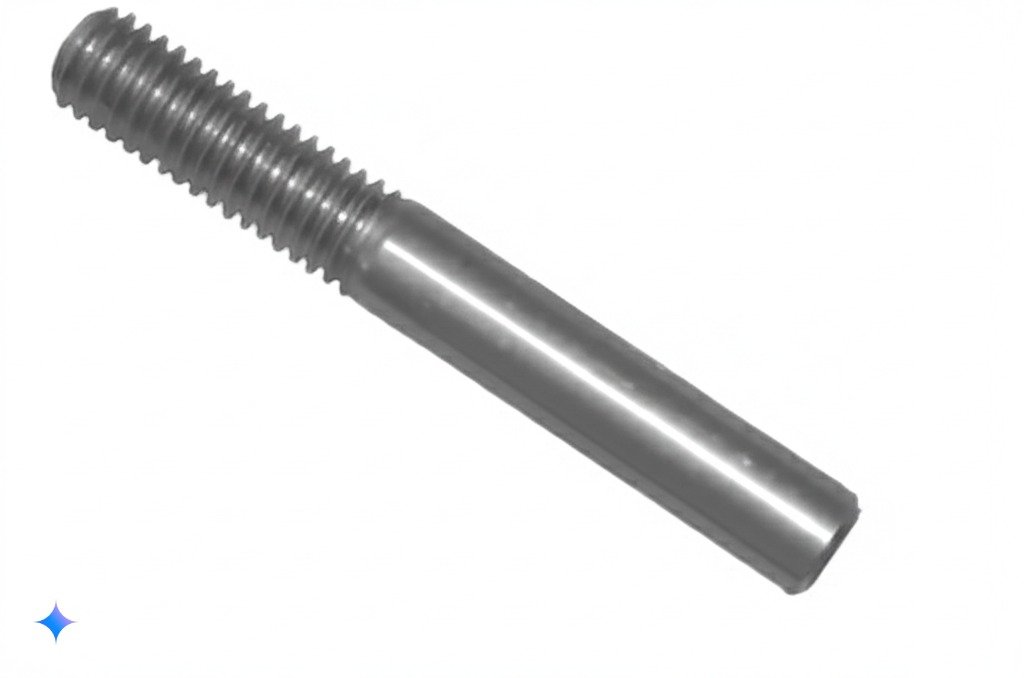
    Single End Threaded Studs are essential fasteners for diverse industrial, construction, and DIY projects. These fasteners are designed with threading on only one end, providing a unique solution where only one end requires engagement with a nut or tapped hole. This specific design simplifies installations in assemblies where a one-sided fastening solution is preferred. By offering reliable performance and easy installation, Single End Threaded Studs are widely used in applications such as machinery mounting, structural bracing, and custom fabrication. Industry research from ThomasNet and GlobalSpec underscores that using precision-engineered fasteners like Single End Threaded Studs can enhance assembly efficiency and overall structural integrity.

    The engineering behind Single End Threaded Studs involves advanced machining and high-quality materials, such as alloy steel and stainless steel, to ensure durability under high load and vibration conditions. Their one-ended threading design means that the non-threaded end remains smooth, allowing for improved aesthetic integration and reduced interference in tight assemblies. This design is particularly valuable in applications where the stud is integrated into a panel or used as an attachment point that must remain flush with the surface. Many professionals praise these fasteners for their simplicity and the ease with which they can be installed and maintained.

    Single End Threaded Studs are versatile and can be used in a wide range of applications. Whether for automotive repair, equipment mounting, or metal fabrication, these fasteners provide a secure and efficient method to create attachment points. Their design allows for rapid installation with minimal tools, reducing downtime and labor costs. Furthermore, because only one end is threaded, there is less risk of cross-threading during assembly, which is a common issue with fully threaded alternatives. This reliability makes Single End Threaded Studs a favorite among fabricators who demand both performance and ease of use.

    An interesting fact is that the concept of single-end threading evolved from the need for a more streamlined fastening solution in high-volume manufacturing. By eliminating threading on one end, manufacturers were able to reduce production time and material usage while maintaining high load capacity. Today, Single End Threaded Studs are not only popular in heavy industry but have also found applications in precision engineering, where space constraints and aesthetic considerations are critical. This innovation demonstrates how minor design adjustments can yield significant improvements in overall performance.

    • Key Benefits of Single End Threaded Studs:
      • Ease of Installation: One-ended threading simplifies the assembly process.
      • Enhanced Aesthetics: The smooth non-threaded end allows for a flush finish.
      • Reduced Risk of Misalignment: Fewer threads mean less chance for cross-threading errors.
      • Versatility: Suitable for automotive, machinery, and custom fabrication projects.
      • Cost Efficiency: Simplified design can reduce manufacturing and maintenance costs.

    In modern fabrication settings, Single End Threaded Studs offer a significant advantage by reducing installation time. Their one-sided thread design enables technicians to quickly secure components without needing to worry about aligning threads on both ends. This efficiency is crucial in production environments where every minute counts. Moreover, the design allows for easy replacement, which is especially beneficial during maintenance or when modifications are required. Detailed technical specifications available on ThomasNet highlight that fasteners with simplified designs, such as Single End Threaded Studs, can lead to measurable improvements in assembly line throughput.

    The benefits of Single End Threaded Studs extend to their performance in harsh environments. Constructed from high-quality materials, these fasteners are engineered to resist corrosion, thermal cycling, and vibration. For example, stainless steel Single End Threaded Studs are commonly used in outdoor and marine applications due to their exceptional resistance to rust and degradation. Their durability under extreme conditions makes them an ideal choice for safety-critical applications, such as securing heavy equipment or serving as structural anchors in load-bearing assemblies. In addition, many users report that these studs maintain a consistent hold over time, reducing the need for frequent maintenance.

    From an installation standpoint, Single End Threaded Studs are designed for user convenience. Their smooth, non-threaded end allows for easier alignment when the stud is pressed into a pre-drilled hole. This feature is particularly useful in applications where the stud must be installed in a confined space or where only one side of the assembly is accessible. By ensuring that the fastening point is both secure and easily reachable, Single End Threaded Studs simplify repairs and adjustments. This is why many fabricators prefer these studs over fully threaded alternatives when working on complex assemblies.

    In terms of market trends, the demand for Single End Threaded Studs has steadily increased as more industries adopt automated assembly processes and precision engineering practices. Their simplified design not only contributes to faster production cycles but also reduces the likelihood of installation errors. Research by GlobalSpec indicates that such fasteners can improve overall system reliability and reduce the risk of joint failure in critical applications. This growing trend underscores the importance of investing in high-quality Single End Threaded Studs for projects that demand both performance and reliability.

    The evolution of Single End Threaded Studs is also driven by the need for more sustainable manufacturing practices. With fewer machining processes required for a one-sided thread, production costs and material waste can be significantly reduced. This eco-friendly aspect is gaining traction in the industry, as companies look for ways to improve efficiency and lower their environmental footprint. In addition, the long service life of these fasteners contributes to a reduction in maintenance and replacement frequency, further enhancing their cost-effectiveness over time.

    Another interesting aspect is the role of Single End Threaded Studs in custom fabrication and prototype development. Designers and engineers appreciate the flexibility these fasteners offer, as they can be easily modified to meet specific project requirements. The ability to cut Single End Threaded Studs to custom lengths without compromising their structural integrity makes them an attractive option for bespoke applications. Whether for a one-off design or a series production, the adaptability of these studs provides a reliable solution that can be tailored to fit unique specifications.

    • Practical Installation Tips for Single End Threaded Studs:
      • Measure Accurately: Ensure the pre-drilled hole matches the stud diameter for a secure press fit.
      • Use Proper Tools: Employ a calibrated press tool to guarantee uniform installation pressure.
      • Select the Right Material: Choose stainless steel for corrosive environments and alloy steel for heavy-duty applications.
      • Inspect Regularly: Periodically check for wear or misalignment, especially in vibration-prone settings.
      • Follow Manufacturer Guidelines: Adhere to torque specifications when installing accompanying nuts to avoid overtightening.

    The performance of Single End Threaded Studs in high-stress applications has been validated through numerous comparative studies. Field tests reveal that assemblies using these fasteners exhibit enhanced load distribution and improved resistance to loosening under dynamic conditions. For instance, in automotive and aerospace applications, the precision of Single End Threaded Studs ensures that critical components remain securely attached even during intense vibrations. This reliability is why many engineers recommend these fasteners for safety-critical assemblies, where even minor failures can have significant consequences.

    In addition to their mechanical advantages, Single End Threaded Studs also contribute to the overall aesthetics of an assembly. Their flush design and smooth finish allow for a neat, professional appearance, which is particularly important in consumer-facing products and high-end machinery. The clean lines provided by these studs can enhance the visual appeal of a finished product, making them a popular choice among designers and manufacturers alike. The balance between functionality and appearance makes Single End Threaded Studs a versatile choice for a wide array of projects.

    Technological advancements have further refined the design and functionality of Single End Threaded Studs. Modern production techniques, such as computer numerical control (CNC) machining and laser cutting, have enabled manufacturers to produce these fasteners with exceptional precision and consistency. This precision ensures that each stud meets stringent quality standards, providing a reliable fastening solution every time. The integration of digital tools in the design process also allows for the customization of thread profiles to meet specific application requirements, thereby enhancing overall performance and compatibility.

    Recent market data indicates a strong upward trend in the use of Single End Threaded Studs. As the demand for fast, reliable, and easy-to-install fasteners grows, more industries are turning to these studs to optimize their assembly processes. Reports from ThomasNet suggest that the adoption of innovative fasteners like Single End Threaded Studs has contributed to improved production efficiency and reduced downtime in manufacturing settings. This market growth not only highlights the practical benefits of these studs but also reinforces their role as a critical component in modern fabrication.

    As manufacturing practices continue to evolve, the importance of precision and reliability in fasteners cannot be overstated. Single End Threaded Studs provide a perfect example of how thoughtful design can lead to significant improvements in assembly performance. Their ability to deliver a secure, consistent fastening solution makes them indispensable in many applications, from heavy machinery assembly to custom prototypes. For engineers and fabricators seeking to improve both efficiency and safety, investing in high-quality Single End Threaded Studs is a strategic decision that can yield long-term benefits.

    Furthermore, the ease of integration of Single End Threaded Studs with modern automation systems has opened new possibilities for large-scale production. Automated assembly lines now incorporate these fasteners to ensure consistent installation and to minimize human error. This integration not only speeds up the production process but also improves overall quality control, which is essential in industries where precision is paramount. The ongoing improvements in both design and installation technology make Single End Threaded Studs a forward-thinking solution for today’s complex assembly challenges.

    The value of Single End Threaded Studs extends beyond their immediate functional benefits. They are a testament to the ongoing innovation in the fastener industry, representing a shift toward more efficient, reliable, and user-friendly products. By providing a secure fastening solution with minimal installation complexity, these studs allow engineers and fabricators to focus on overall project excellence rather than fastener challenges. The consistent performance and ease of use offered by Single End Threaded Studs make them a critical investment for anyone involved in complex assembly projects.

    Top 10 Best Single End Threaded Studs to Buy

    Bestseller #1
    • Double-ended stud
    • Rolled threads are smoother due to the burnishing effect of the rolling operation
    • Rod/stud has equal thread lengths on both ends
    Bestseller #2
    • M6x180mm Double End Thread Stud Push Rod, Material: 304 Stainless Steel
    • Thread End Length:28mm/1.1” (Each); Thread Size: M6 / 0.24″
    • Total Length:180mm/7.09” ; Thread Style: Partially Thread
    Bestseller #3
    • Rod/stud has unequal thread lengths on both ends
    • Carbon steel is used in applications where strength is the primary consideration
    • Black oxide finish provides mild corrosion resistance
    Bestseller #4
    • Material: 304 Stainless Steel; Product Name: Double End Stud
    • Weight: 65g; Package Content: 20pcs x Double End Stud
    • Main Color: Silver Tone
    Bestseller #5
    • Rod/stud has equal thread lengths on both ends
    • Carbon steel is used in applications where strength is the primary consideration
    • Black oxide finish provides mild corrosion resistance
    Bestseller #6
    • Material: 304 Stainless Steel; Product Name: Double End Stud; Weight: 41g
    • Package Content: 50(+/-2%)pcs x Double End Stud; Thread Size: M3 / 0.12″
    • Main Color: Silver Tone; Thread Pitch: 0.5mm
    Bestseller #7
    • Note: Please measure the required size before purchase. The product is metric screw, not suitable for imperial nuts, M8 …
    • MATERIAL: Made of high quality 304 Stainless Steel, high strength, not rust for indoor and outdoor use.
    • SIZE: M8x30–6Pcs; M8x50–6Pcs; M8x70–4Pcs; M8 nuts–15Pcs, pitch:1.25mm.
    Bestseller #8
    • Product Name : Double End Bolt
    • Material: Stainless Steel
    • Size: M8x 60mm
    Bestseller #9
    • 【Material & Durability】Crafted from premium 304 stainless steel, these M8 threaded rods (double bolts) exhibit exception…
    • 【Specifications Overview】Featuring a thread diameter of M8(D), a pitch of 1.2mm, and an overall length of 80mm/3.15in, w…
    • 【Application Range】
    Bestseller #10
    • Specification Example : M2x5+3mm (20 pcs) = screws diameter 2mm x Hex stud length 5mm + screws length 3mm , 20 Piece for…
    • High quality brass single end standoffs.
    • Corrosion-resistant, rust-proof, high strength, non-magnetic, sturdy and durable.

    Expert Analysis and Practical Recommendations on Single End Threaded Studs

    In the second segment of our discussion, we explore expert insights and practical recommendations for Single End Threaded Studs. Field tests and comparative studies consistently demonstrate that the one-sided thread design significantly improves both load distribution and ease of installation. Engineers report that Single End Threaded Studs are especially beneficial in applications where the stud must be pressed into a panel or used as a captive attachment point, leaving one end free for bolt engagement. This feature reduces the risk of installation errors and ensures that the assembly remains secure under dynamic conditions.

    When selecting Single End Threaded Studs, it is essential to consider material quality and thread specifications. Options made from stainless steel provide excellent corrosion resistance, while alloy steel versions offer superior strength for high-load applications. The selection of the correct thread pitch and diameter is equally important to ensure proper engagement with mating nuts or tapped holes. Detailed product specifications from reputable sources like ThomasNet and GlobalSpec can guide these decisions and help ensure compatibility with your specific project requirements.

    Proper installation is critical for maximizing the performance of Single End Threaded Studs. Experts recommend using calibrated press tools to ensure uniform force during installation, as uneven pressure can lead to misalignment or premature failure. In addition, routine maintenance checks are advised to monitor for signs of wear or corrosion, especially in environments subject to high vibration or thermal cycling. By following these best practices, you can ensure that your Single End Threaded Studs consistently deliver reliable performance throughout the life of your assembly.

    The versatility of Single End Threaded Studs is evident in their broad range of applications. They are not only ideal for heavy industrial and construction projects but are also widely used in automotive repairs and custom fabrication. Their ability to be cut to custom lengths without compromising the integrity of the thread makes them a favorite among engineers who require a tailored fastening solution. This adaptability means that Single End Threaded Studs can be incorporated into almost any assembly, providing a reliable and secure attachment point wherever needed.

    Another important consideration is the economic benefit of using Single End Threaded Studs. By reducing installation time and maintenance requirements, these fasteners can lead to significant cost savings over the lifespan of a project. Studies have shown that assemblies using precision-engineered fasteners like Single End Threaded Studs tend to have lower downtime and reduced repair costs compared to those using traditional fasteners. This makes them not only a technically superior choice but also an economically sound investment.

    For those looking to optimize the performance of their assemblies, here are some expert recommendations for using Single End Threaded Studs effectively:

    • Accurate Measurement: Verify that the pre-drilled hole matches the stud diameter to ensure a secure press fit.
    • Calibrated Tools: Use specialized press tools for uniform installation pressure.
    • Material Selection: Choose stainless steel for corrosive environments and high-strength alloy steel for heavy-duty applications.
    • Routine Inspection: Regularly check for wear, corrosion, or misalignment to maintain structural integrity.
    • Follow Guidelines: Adhere to manufacturer recommendations and technical datasheets from sources such as ThomasNet and GlobalSpec for optimal performance.

    The advancements in fastener technology have positioned Single End Threaded Studs as a cornerstone of modern assembly methods. Their unique design and robust performance make them an invaluable asset in industries that demand precision, durability, and efficiency. By investing in high-quality Single End Threaded Studs and following best practices for installation and maintenance, you can achieve enhanced performance, reduced costs, and increased safety across your projects.

    As the demand for innovative and reliable fasteners continues to rise, Single End Threaded Studs are poised to play an even more significant role in the future of fabrication and assembly. Their ongoing evolution and proven performance in challenging environments highlight their value as a smart investment for professionals and DIY enthusiasts alike. Whether you are working on a complex industrial project or a small-scale repair, these studs offer the performance and dependability needed to ensure success.

    OUR CATEGORIES

    “As an Amazon Associate we earn from qualifying purchases.”